Blog ·
Heat Pump Systems: How They Keep Your Home Comfortable Year-Round
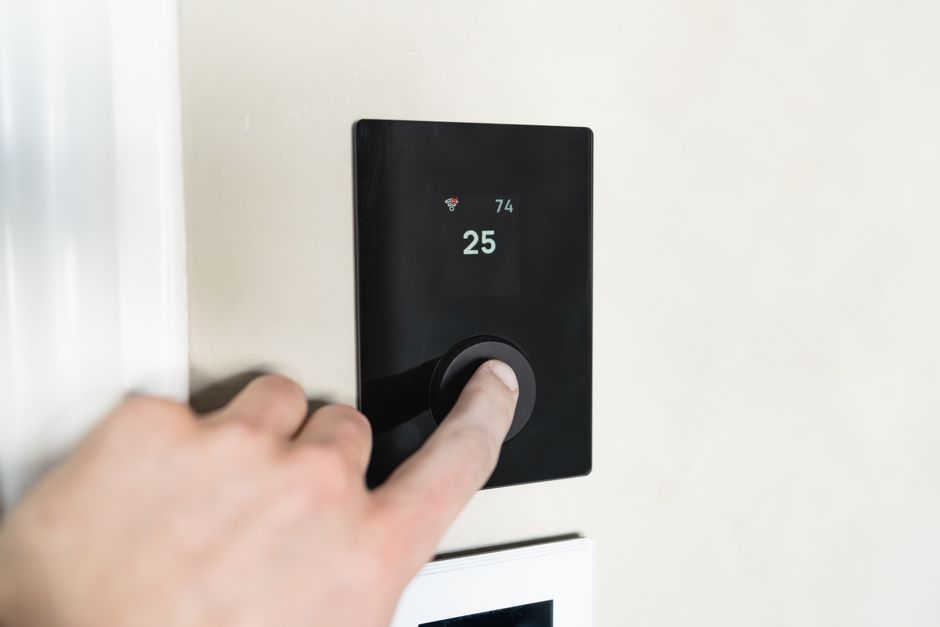
Heat pump technology has revolutionized home comfort, offering an efficient solution for both heating in winter and cooling in summer. If you are considering upgrading your HVAC system or simply want to understand how your existing heat pump works, this overview explains why these systems have become increasingly popular for homeowners seeking reliable, efficient climate control.
How Heat Pumps Operate
Unlike traditional furnaces that generate heat, heat pumps move thermal energy from one location to another. During winter, the system extracts warmth from the outside air, ground, or water source and transfers it indoors. When summer arrives, the process reverses, pulling heat from your home and releasing it outside. This transfer mechanism makes heat pumps exceptionally efficient since moving heat requires far less energy than creating it.
Types of Heat Pump Systems
Air-source heat pumps are the most common residential option, extracting warmth from outside air even on cold days. Ground-source or geothermal heat pumps tap into stable underground temperatures, offering superior efficiency for homeowners with adequate space. Water-source systems work similarly but use water sources. Each type has distinct advantages depending on your climate, property layout, and budget considerations.
Seasonal Performance Advantages
During milder seasons, heat pumps operate at their highest efficiency levels. In deep winter, supplemental heating may activate during extremely cold periods, though modern systems handle most temperature fluctuations effectively. Many homes experience consistent comfort without supplemental assistance even in moderately cold climates.
Energy Efficiency Benefits
Heat pumps typically consume significantly less electricity than electric resistance heating or gas furnaces. This efficiency translates to lower utility bills throughout the year, making heat pumps an economical choice for long-term homeowners. The environmental benefits of reduced energy consumption appeal to homeowners seeking to minimize their carbon footprint.
Maintenance Requirements
Heat pumps require regular maintenance to perform optimally. Annual professional inspections ensure refrigerant levels remain adequate, electrical connections stay secure, and all components function properly. Homeowners should replace air filters regularly and keep outdoor units clear of debris and snow accumulation.
Comfort Control
Modern heat pump systems offer precise temperature control with variable-speed compressors that adjust output based on actual heating or cooling demand. This modulation reduces temperature swings and provides more consistent comfort compared to traditional on-off systems. Many systems also incorporate advanced thermostats allowing remote monitoring and scheduling.
Whether you are replacing an aging system or installing your first heat pump, understanding these capabilities helps you make informed decisions about your home's climate control.